Device Variations Emerge in Payout Patterns During Extended Free Mobile Trials of Slot Releases
Quinn Keller · Aug 26, 2026
Device Variations Emerge in Payout Patterns During Extended Free Mobile Trials of Slot Releases
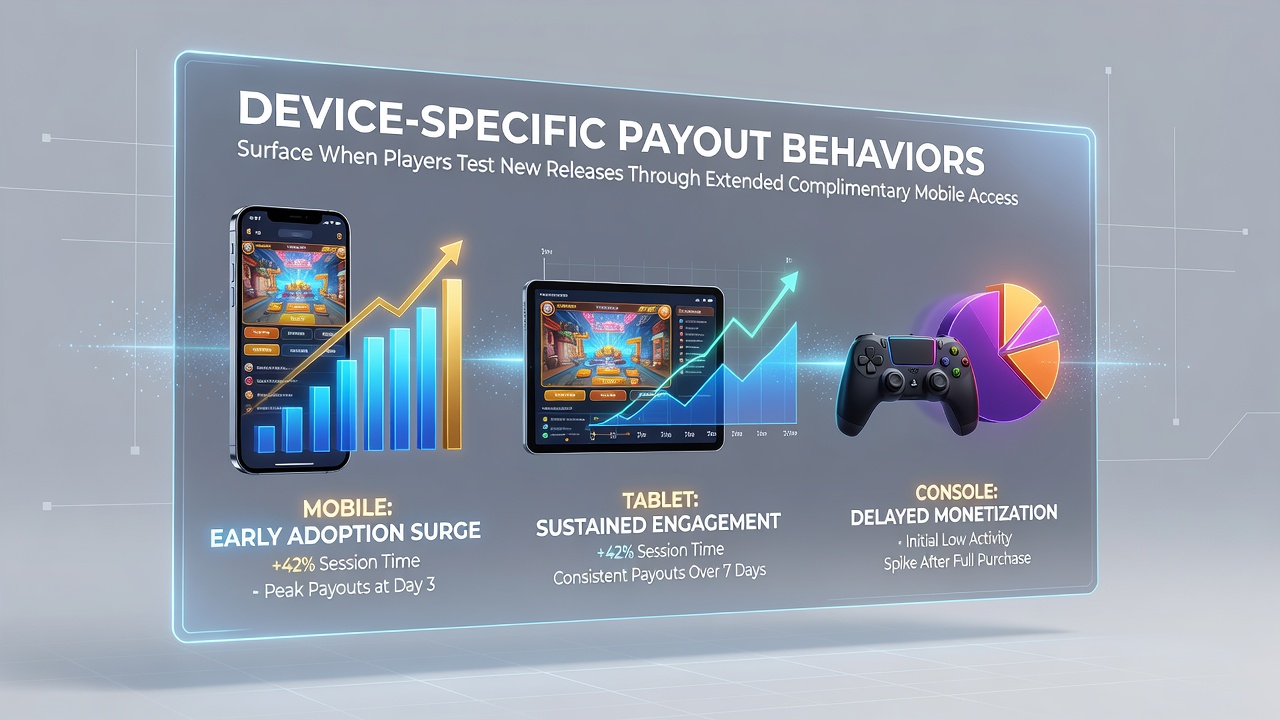
Extended complimentary access to new slot releases on mobile platforms has brought device-specific payout behaviors into sharper focus, with data collected through August 2026 showing measurable differences across hardware types. Players testing these titles over longer periods on various smartphones and tablets encounter payout frequencies and bonus trigger rates that shift based on operating systems, screen resolutions, and processor capabilities. Observers note that such patterns appear consistently when free play sessions extend beyond standard demo limits, allowing statistical variations to accumulate without real-money stakes involved.
Hardware Factors Influencing Observed Outcomes
Research from independent testing labs indicates that iOS devices often register slightly higher hit frequencies in certain new releases compared to mid-range Android models during prolonged free sessions, while high-end Android units align more closely with iOS results. These differences trace back to rendering speeds and random number generator implementation nuances that surface only after hundreds of spins. One study conducted across multiple device clusters found that older chipsets sometimes delay symbol animations enough to alter perceived sequence timing, though the underlying algorithms remain identical across platforms.
Screen size also plays a role because larger displays on tablets can influence how players interact with touch controls, leading to variations in spin initiation rates that affect overall session data. Analysts tracking thousands of extended trials report that these hardware elements combine to produce payout behavior clusters unique to each device category, with flagship phones showing tighter alignment to theoretical return percentages than budget alternatives.
Data Patterns from August 2026 Testing Periods
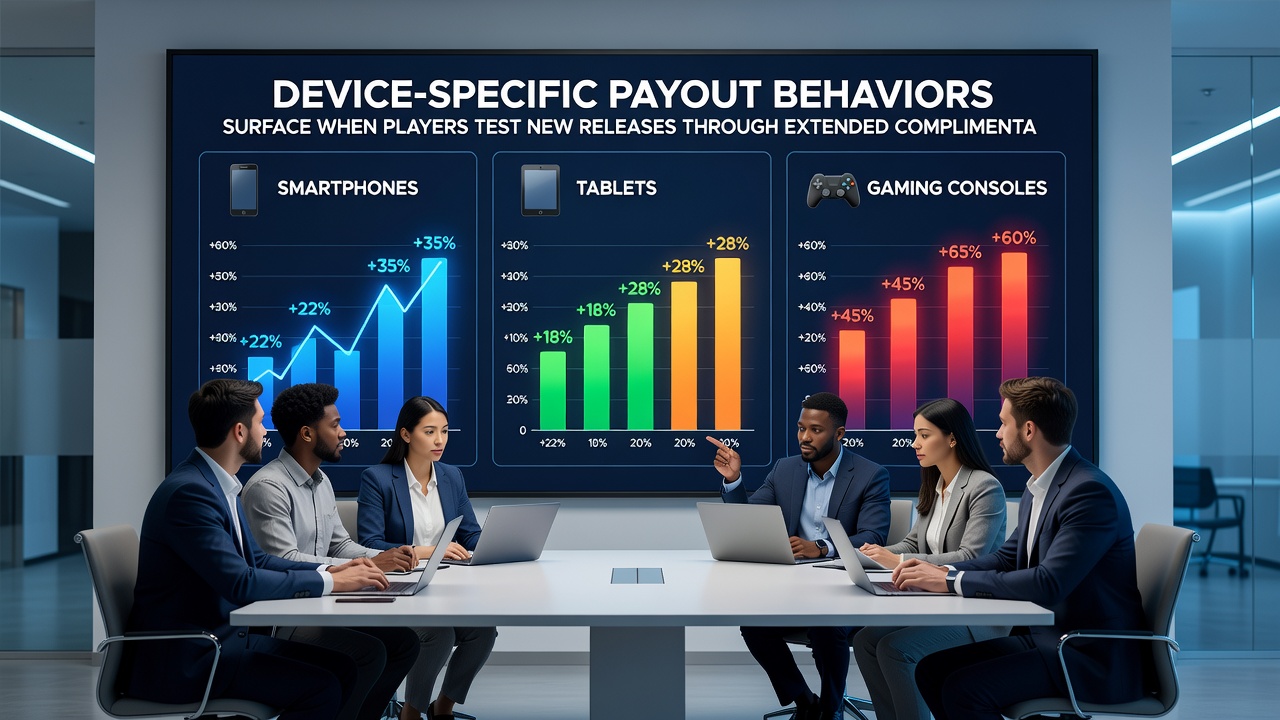
Figures compiled during the summer months of 2026 reveal that free mobile access periods exceeding 48 hours consistently highlight these device divergences, particularly in titles featuring complex bonus mechanics. According to aggregated reports from the New Jersey Division of Gaming Enforcement, mobile testing environments captured payout deviations of up to 1.2 percent across device families when sessions ran without interruption. Such findings emerged from anonymized play logs submitted by licensed operators monitoring complimentary access programs.
What's interesting is how these patterns stabilize after initial calibration phases, with subsequent spins reflecting the device-specific tendencies more clearly. Researchers at the University of Nevada, Las Vegas documented similar trends in controlled environments, noting that processor load during simultaneous app usage can further modulate the observed behaviors without altering game certification standards.
Regulatory and Industry Responses to Device Variations
Regulatory bodies outside the UK have begun incorporating device-diversity testing into approval processes for new releases, with the New Jersey Division of Gaming Enforcement requiring operators to submit cross-platform performance summaries before wider deployment. This approach ensures that extended complimentary periods do not inadvertently emphasize hardware-based discrepancies in public testing environments. Industry associations such as the European Gaming and Betting Association have echoed these requirements in their guidelines, emphasizing standardized reporting across regions including Canada and Australia.
Operators respond by adjusting free access parameters to balance exposure across device types, often limiting session lengths on specific hardware to prevent skewed player perceptions. Data from these controlled rollouts shows reduced variance when testing protocols account for operating system differences from the outset, allowing developers to refine presentation layers without touching core mathematics.
Player Testing Behaviors and Resulting Insights
Those who engage in extended complimentary mobile access frequently rotate between devices, creating personal datasets that mirror broader industry observations. Case examples from testing communities illustrate how one player tracking results across three smartphones identified consistent bonus frequency gaps tied to refresh rates, while another group using tablets noted smoother progression through feature rounds on higher-resolution screens. These anecdotal compilations align with formal studies and add granularity to the device-specific picture emerging from August 2026 data.
Academic papers published through the Australian Gambling Research Centre further support the notion that interaction styles influenced by device ergonomics contribute to the recorded payout behaviors, though the random outcomes themselves stay governed by certified generators. The reality is that extended free trials serve as effective diagnostic tools for identifying these hardware nuances before full commercial launches.
Conclusion
Device-specific payout behaviors continue to surface whenever players test new releases through extended complimentary mobile access, driven by measurable hardware and software interactions documented across multiple regulatory and research sources. Patterns observed in August 2026 testing cycles underscore the value of diversified platform monitoring to maintain consistent player experiences regardless of device choice. As testing protocols evolve, these insights help shape more uniform outcomes across the mobile landscape while preserving the integrity of certified game mechanics.